
Questions
Pet Emergencies: 5 Examples Every Owner Should Recognize
The five most common pet emergencies are: severe bleeding or trauma, difficulty breathing, bloat (GDV), ingestion of toxins (like antifreeze or lilies), and seizures or collapse. Each requires immediate veterinary attention.
5 Common Pet Emergencies Every Owner Should Know
Knowing what counts as a pet emergency can save your pet's life. Here are the five most common emergencies we see at Troy & Heights Animal Hospital in Troy, MI, and what to watch for.
- Severe bleeding or trauma – This includes wounds from car accidents, fractures from falls, or deep cuts. Apply pressure with a clean cloth and get to a vet immediately.
- Difficulty breathing – Labored breathing, choking, or coughing that won't stop can signal a blocked airway, lung problem, or heart issue. Every second counts.
- Bloat (GDV) – A swollen, hard abdomen with unproductive retching is a life-threatening stomach twist. Large, deep-chested dogs are most at risk.
- Ingestion of toxins – Antifreeze, lilies, chocolate, or rat poison are common pet poisons. If you suspect ingestion, call us or a poison control hotline right away.
- Seizures or collapse – A seizure lasting more than a few minutes, or your pet suddenly collapsing, requires urgent evaluation. Seizures can be caused by toxins, epilepsy, or underlying disease.

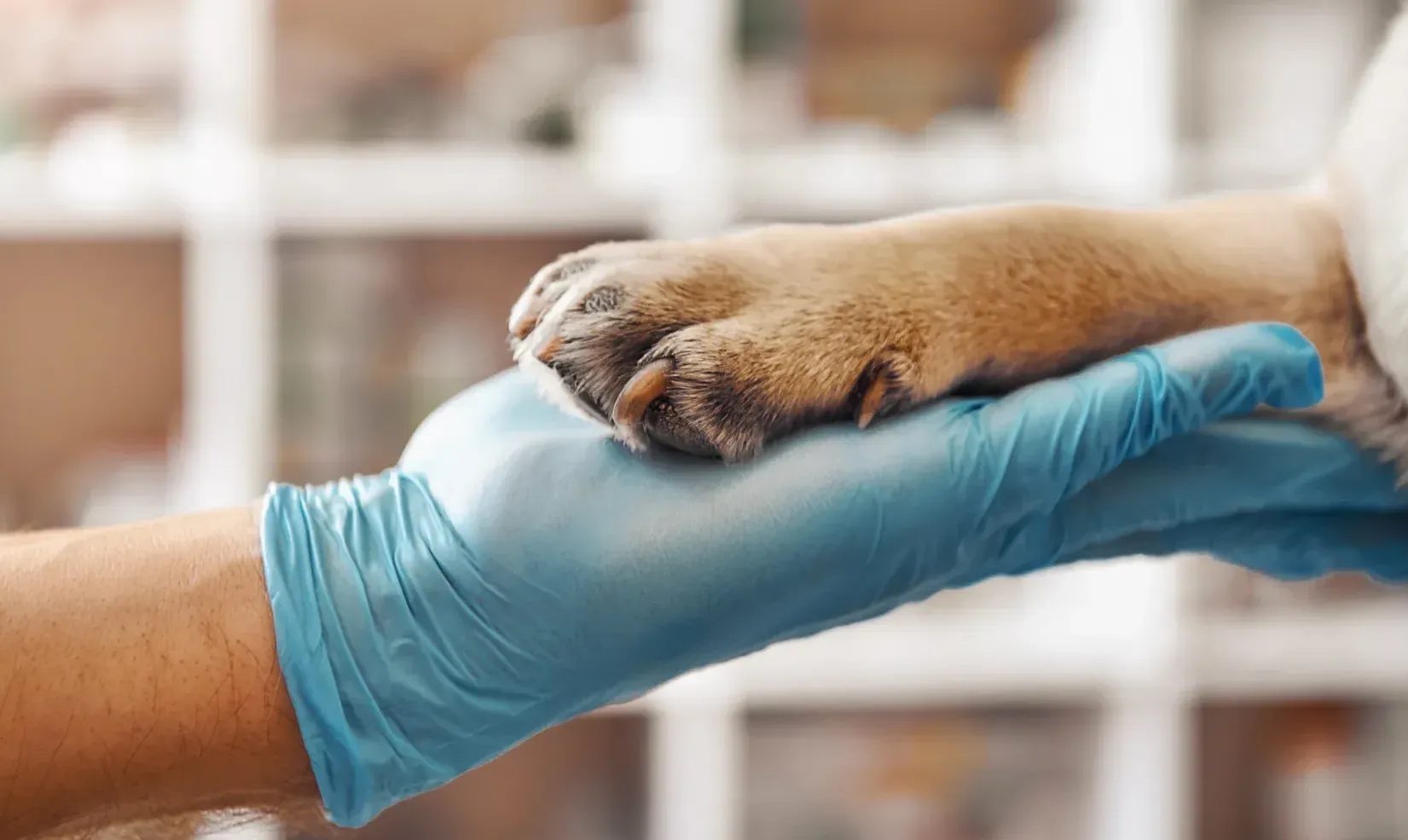
How to Tell If Your Pet's Symptoms Are an Emergency
A good fit if…
- Your pet is vomiting or has diarrhea repeatedly, especially if there's blood or if they can't keep water down.
- Your pet is straining to urinate or can't urinate at all — this can be a blockage, especially in male cats.
- Your pet has pale or blue gums, which can indicate shock or lack of oxygen.
- Your pet is extremely lethargic, unresponsive, or in obvious pain (whining, hiding, panting).
Consider another option if…
- Your pet has mild vomiting or diarrhea but is still acting normal and drinking water — call us for guidance first.
- Your pet has a small cut that has stopped bleeding — clean it and monitor, but see us if signs of infection appear.
- Your pet is coughing occasionally but breathing normally — this may be a minor respiratory issue, but we can help you decide over the phone.
When in doubt, call Troy & Heights Animal Hospital at (248) 457-1985. Our team can help you decide if your pet needs to come in immediately or if it can wait.
Subtle Signs That Could Signal a Pet Emergency
A good fit if…
- Your pet's abdomen is swollen or firm to the touch — this can be bloat or internal bleeding.
- Your pet's gums are pale, blue, or bright red — changes in gum color can indicate shock, poisoning, or heatstroke.
- Your pet is hiding, refusing to move, or has a sudden change in behavior — pain or illness can cause these subtle shifts.
Consider another option if…
- Your pet is slightly tired after exercise but perks up with rest — this is normal.
- Your pet has a mild limp that improves after a few minutes — but if it persists or worsens, call us.
Trust your instincts. If something feels off, it's always better to call us and be safe.
First Aid Steps for Pet Emergencies
- Stay calm and assess – Check your pet's breathing, pulse, and gum color. Keep them warm and still.
- Control bleeding – Apply firm pressure with a clean cloth or gauze. Do not use a tourniquet unless bleeding is severe and from a limb.
- Call ahead – Phone Troy & Heights Animal Hospital at (248) 457-1985 so we can prepare for your arrival. Tell us what happened and your pet's condition.
- Transport safely – Use a sturdy carrier or blanket as a stretcher for injured pets. Keep their head and neck stable if you suspect a spinal injury.
- Do not give home remedies – Avoid giving food, water, or medication unless directed by a vet. Some toxins require specific treatment.
Directions to our veterinarian near me from Athens High School
Start at Athens High School and head to Troy & Heights Animal Hospital at 1985 E Wattles Rd, Suite F, Troy, MI 48085.
Emergency Vet in Troy, MI – We're Here When You Need Us
If your pet is experiencing an emergency during our business hours, Troy & Heights Animal Hospital is ready to help. We handle urgent and emergency cases on-site, including emergency surgery.
- Call us at (248) 457-1985 to let us know you're coming.
- Head to 1985 E Wattles Rd, Suite F, Troy, MI 48085 — near Columbia Center and Oakland Mall.
- Our hours are Monday–Friday 9 AM–6 PM, Saturday 9 AM–3 PM. We are closed Sunday.
We serve Troy, Sterling Heights, Rochester Hills, Warren, Madison Heights, Berkley, Birmingham, and surrounding areas.
Preparing Your Pet for Natural Disasters and Other External Emergencies
Emergencies like fires, tornadoes, floods, and severe storms can strike suddenly. Having a plan for your pet is essential. Here's how to prepare:
- Create a pet disaster kit – Include a week's supply of food, water, medications, a leash, carrier, bowls, and a first aid kit.
- Keep records handy – Store vaccination records, microchip info, and a photo of your pet in a waterproof bag or on your phone.
- Know your evacuation route – Identify pet-friendly shelters or hotels in advance. In Troy, we're here to advise if you need to evacuate.
- Practice drills – Get your pet used to being in a carrier and leaving the house quickly. This reduces stress during a real event.
For details on services and visits, see the main page about veterinarian near me.
Sources
Frequently asked questions
What are 10 common medical emergencies for pets?
Common emergencies include: severe bleeding, difficulty breathing, bloat (GDV), toxin ingestion, seizures, fractures, heatstroke, anaphylaxis, foreign body ingestion, and urinary blockage. Any of these require immediate veterinary care.
What counts as a pet emergency?
A pet emergency is any situation where your pet's life, limb, or organ function is at risk. This includes uncontrolled bleeding, breathing problems, poisoning, seizures, collapse, or severe pain. If you're unsure, call your vet for guidance.
What are five common medical emergencies in dogs?
The five most common medical emergencies in dogs are: bloat (GDV), toxin ingestion (like chocolate or antifreeze), hit by car or trauma, difficulty breathing, and seizures. Each requires urgent veterinary attention.
Also asked as
- What are common pet emergencies?
- What counts as a pet emergency?
- What are 10 common medical emergencies?