
Questions
What Happens During an Emergency Vet Visit? A Step-by-Step Guide
During an emergency vet visit, your pet is triaged immediately, then examined, stabilized, and treated. The vet communicates with you throughout, and you receive discharge instructions. Call ahead if possible, and bring your pet in without delay.
What to Expect When You Arrive at the Emergency Vet
When you arrive at Troy and Heights Animal Hospital with an emergency, our team moves quickly to assess your pet and start care. Here's the typical process.
- Call ahead – If you can, phone us at (248) 457-1985 while en route. We'll prepare for your arrival and give you any immediate instructions.
- Check-in and triage – A veterinary technician will take your pet's vital signs (heart rate, temperature, breathing) and ask about the emergency. We prioritize cases by severity—this is triage.
- Immediate stabilization – If your pet is critical, we may start oxygen, IV fluids, or pain relief right away to stabilize them before a full exam.
- Vet examination – The veterinarian will perform a thorough physical exam and may recommend diagnostics like bloodwork or X-rays to pinpoint the problem.
- Treatment and updates – Once we have a diagnosis, we'll explain the findings, discuss treatment options, and get your consent before proceeding.
- Discharge instructions – When your pet is stable, you'll receive clear home-care instructions, medication schedules, and a follow-up plan.
We serve pets from Troy, Sterling Heights, Rochester Hills, Warren, Madison Heights, Berkley, and Birmingham. Our team is here to handle urgent and emergency cases during business hours, including emergency surgery.
How Long Does an Emergency Vet Visit Typically Take?
Emergency visits vary widely depending on your pet's condition. Here's a general breakdown of what to expect.
| Stage | Typical Time | What Happens |
|---|---|---|
| Triage and check-in | 5–15 minutes | Vitals taken, history gathered, priority assigned. |
| Stabilization | 15–60 minutes | IV fluids, oxygen, or pain relief if needed. |
| Diagnostics (if needed) | 30–60 minutes | Bloodwork, X-rays, or ultrasound performed and read. |
| Treatment or surgery | 1–3 hours | Depends on the procedure; complex surgeries take longer. |
| Observation | 1–4 hours | Monitoring recovery, especially after anesthesia. |
In total, plan for at least 1–4 hours. We're open Monday–Friday 9 AM–6 PM and Saturday 9 AM–3 PM, so we can see emergencies during those hours. If your pet needs care outside our hours, call us—we'll guide you on next steps.
Treatments and Procedures During an Emergency Vet Visit
During an emergency visit, we provide a range of treatments tailored to your pet's condition. Common procedures include wound care, fluid therapy, pain management, and oxygen support. We also have in-house diagnostics and lab for fast, accurate results, so we can identify issues like infections, organ problems, or fractures quickly.
For more serious cases, we perform advanced surgical procedures on-site, including ACL repair, luxating patella correction, hernia repair, and bone fracture surgery. Our team is equipped to handle emergencies that require surgery during business hours, so your pet doesn't have to be transferred elsewhere.
We also offer dental care, spay and neuter, and wellness exams as part of our full-service practice. If your pet needs follow-up care after an emergency, we'll schedule it before you leave.

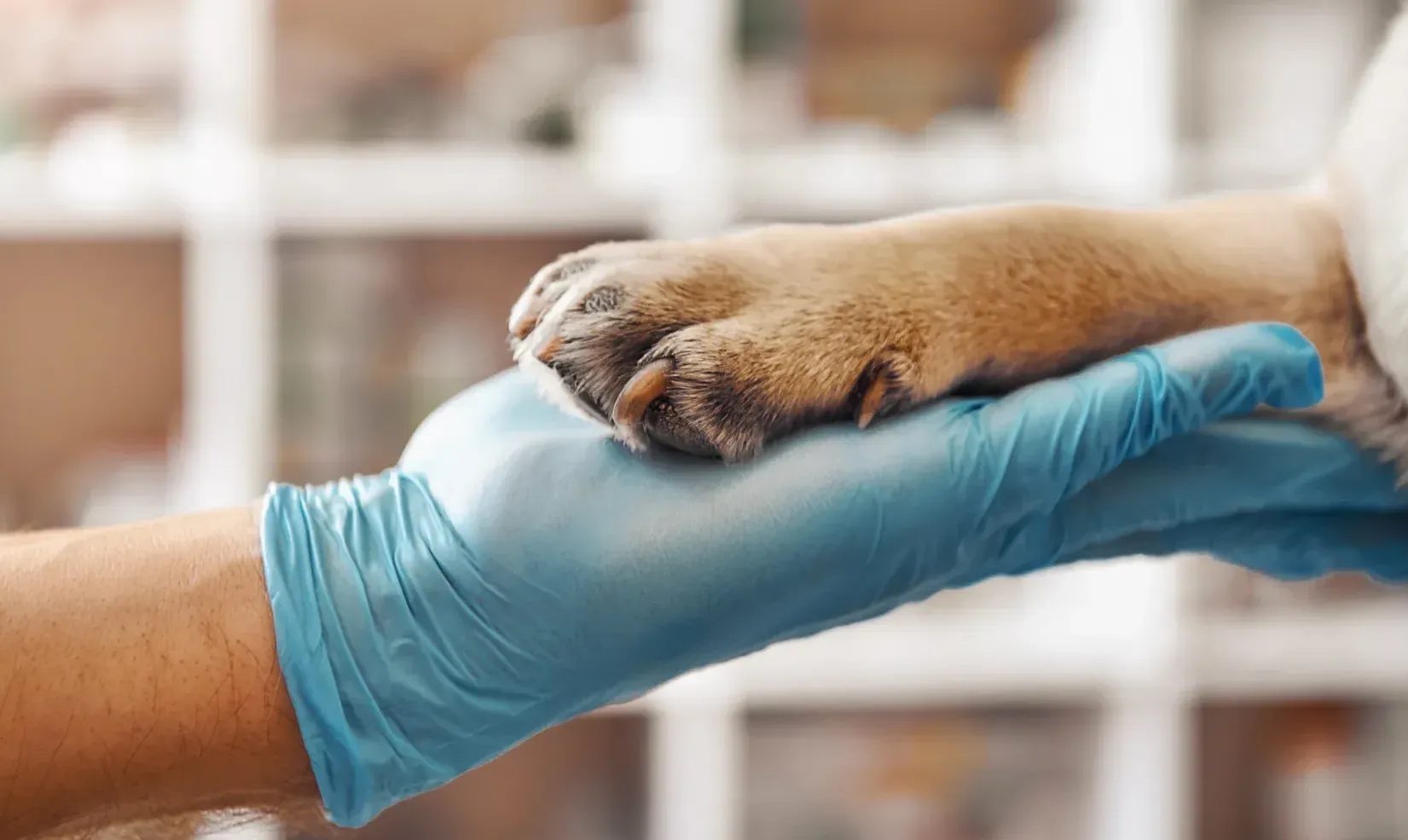


How the Vet Communicates With You During an Emergency Visit
Clear communication is a priority during an emergency. After triage, the veterinarian will explain your pet's condition, the recommended diagnostics, and treatment options. We'll provide cost estimates before proceeding, so there are no surprises.
During treatment, we keep you updated on your pet's progress. If your pet requires surgery, we'll explain the procedure, risks, and expected outcomes, and we'll call you when it's done. Afterward, you'll receive written discharge instructions and a chance to ask questions.
We understand this is stressful, so our team is here to support you. If you're unsure about anything, just ask—we're happy to clarify. For more on recognizing emergencies, see our guide on 5 examples of pet emergencies.
For details on services and visits, see the main page about veterinarian near me.
Directions to our veterinarian near me from Barn Church
Start at Barn Church and head to Troy & Heights Animal Hospital at 1985 E Wattles Rd, Suite F, Troy, MI 48085.
Sources
Frequently asked questions
Should I call before coming to the emergency vet?
Yes, calling ahead lets us prepare for your arrival and give you immediate advice. It also helps us triage your pet's condition before you get here.
Can I stay with my pet during the emergency visit?
In most cases, you'll be with your pet during the exam and initial treatment. For procedures or surgery, you may need to wait in the lobby, but we'll keep you updated.
What if my pet needs emergency surgery?
We perform emergency surgery on-site during business hours, including procedures like ACL repair and fracture repair. We'll discuss the details and get your consent before proceeding.
What payment options are available?
We accept standard payment methods. Costs vary depending on the treatment, and we'll provide an estimate before proceeding. For more on managing costs, see [[page:what-to-do-if-you-can-t-afford-a-vet-visit|what to do if you can't afford a vet visit]].
Also asked as
- What should I expect when I bring my pet to the emergency vet?
- How long does an emergency vet visit take?
- What treatments do emergency vets provide?